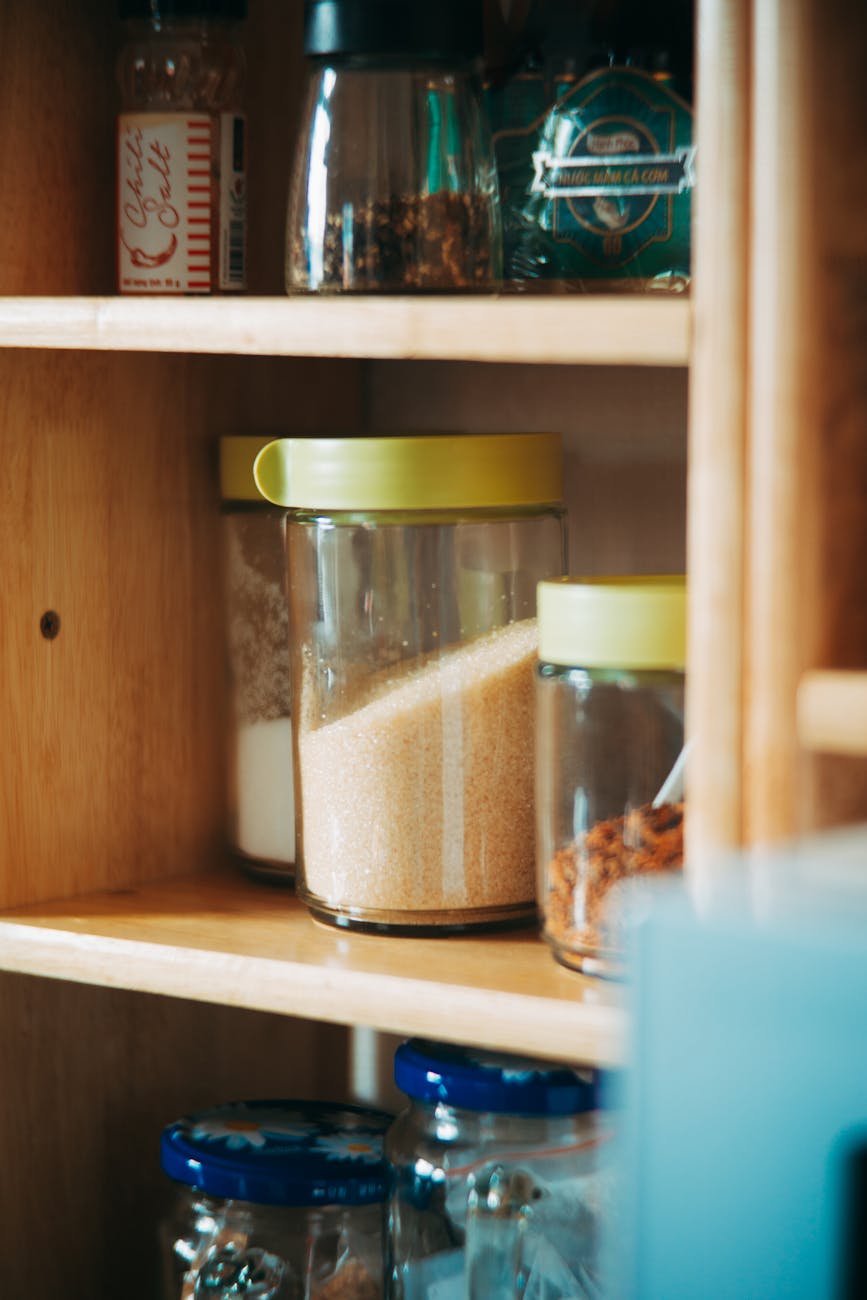
The reason most people overspend on groceries is not because food is too expensive. It’s because they start from zero every single week. They open an empty fridge, panic, and order delivery. Or they buy random ingredients that don’t talk to each other, use two of them, and throw the rest away three weeks later.
“A stocked pantry is not a luxury. It is the cheapest insurance policy you will ever buy against a bad week.”
A stocked pantry breaks that cycle completely.
I learned this the hard way. My tiny apartment kitchen had barely enough counter space to set down a cutting board, my grocery budget was laughably small, which, if you were anything like me, is its own special kind of challenge. But once I built out what I now call my budget pantry staples list, everything changed. My weekly grocery runs got shorter, cheaper, and less stressful. My meals got better. And I stopped wasting food!
When I used to live in a studio, it was always a struggle figuring out what to eat. I would look in my pantry and find absolutely zero inspiration – or motivation to cook anything. It was 8pm on a Tuesday, and I didn’t want to spend money on going out to eat. Eventually, I cooked up some eggs, slapped it on toast and called it a night. This is when I decided I wanted to get serious and learn how to stock my pantry.
This is not a list of fancy ingredients. You will not find truffle oil or aged balsamic vinegar. This is the list of inexpensive, long-lasting, high-yield staples that form the foundation of real budget cooking — the kind that feeds you well all week without destroying your wallet at the checkout.
📊 Not sure what your weekly grocery budget should actually be? Start with our NYC Grocery Budget Calculator to find a realistic number before you stock your pantry. It’s free. 🙂
Having a stocked pantry benefits
20 Core Staples
100+ Meals Possible
~$65 Estimated Upfront Cost
$0 Delivery Fees When Stocked
Why Your Pantry Is the Foundation of Every Budget
Here is the math that nobody talks about: the average delivery order in NYC runs $25–$35 after fees and tip. That same money, invested once into pantry staples, sets you up for weeks of home cooking. The upfront cost of a fully stocked budget pantry is roughly $60–$80. That is two delivery orders. And these ingredients do not disappear after one meal.
Dry lentils. Canned tomatoes. A bag of rice. A bottle of olive oil. These things sit in your cupboard for months, sometimes years — and show up ready to work every single time you need them. They do not expire on Wednesday. They do not require a special trip across town. They are there, and they are waiting.
The other thing nobody tells you about pantry cooking is the creative freedom it gives you. When you have 15 core staples in your cabinet, you stop thinking “I have nothing to eat” and start thinking “what am I making tonight?” Those are completely different mental states, and only one of them leads to a good dinner.
I remember the first night I made something genuinely good from “nothing” in your pantry. It was the famous Gigi Hadid pasta that was going quite viral at the time. It took maybe 30 minutes at most from the time I decided cooking to sitting down and eating. From that point on I realized I could make delicious recipes at home on busy weekdays, with mostly cheap ingredients in my pantry.
The Budget Pantry Staples List: All 20 Items
I’ve organized these into five categories: grains and legumes, canned goods, aromatics and alliums, oils and acids, and spices. Every category is essential.
Category 1: Grains & Legumes — Your Caloric Foundation
These are your workhorses. High in protein, high in fiber, extremely filling, cheap per serving, and capable of taking on any flavor you throw at them. If you are eating on a budget, this category is non-negotiable.
🍚 White or Brown Rice | ~$1.50–$2.50 / 2 lb bag
A 2-pound bag of rice contains approximately 20 servings. At $2, that is 10 cents per serving. There is no cheaper calorie in your kitchen. Rice is the base, the filler, the leftover, and the meal. It absorbs flavor, pairs with everything, and reheats perfectly.
Meals this unlocks: Vegetable fried rice · Rice and beans (5 variations) · Congee / rice porridge · Stuffed peppers · Burrito bowls · Lentil rice pilaf · Egg fried rice · Mujaddara · Curry base · Rice soup
➝ Rice alone contributes to 30+ recipes on this blog.
🫘 Dried Lentils (Red & Green) | ~$1.50–$2.50 / 1 lb bag
Lentils are the MVP of the budget pantry. Unlike dried beans, they require no soaking, cook in 20–25 minutes, and deliver a complete protein profile when combined with rice or grains. One pound of dried lentils yields roughly 6 cups cooked — enough for 4–6 generous servings. Red lentils break down into creamy soups and dals. Green lentils hold their shape for salads and bowls.
Meals this unlocks: Red lentil dal · Lentil soup (3+ versions) · Lentil tacos · Mujaddara · Lentil bolognese · Curried lentils · Lentil patties · Greek lentil salad · Lentil stew
➝ The single most versatile protein source in a vegetarian pantry.
🍝 Dried Pasta | ~$1.00–$1.50 / 1 lb box
A pound of pasta feeds 4–6 people. Cooking for one? That is five weeknight dinners for $1.50. Keep at least two shapes: a long noodle (spaghetti) and a short shape (penne or rigatoni). They behave differently with sauces and it matters more than people think.
Meals this unlocks: Pasta aglio e olio · Cacio e pepe · Pasta e fagioli · Tomato pasta (5 variations) · Pasta with lentil sauce · Cold pasta salads · Pasta frittata · Minestrone
➝ With just pasta, garlic, and olive oil, you have a complete dinner in 15 minutes.
🫘 Canned Chickpeas | ~$0.89–$1.20 / can
Chickpeas do three things exceptionally well: they crisp up in the oven, they absorb curry and spice beautifully, and they blend into creamy hummus. One can gives you roughly 1.5 cups of cooked chickpeas — two solid servings. I have at least 4 cans in my pantry at all times.
Meals this unlocks: Crispy roasted chickpeas · Chana masala · Homemade hummus · Chickpea curry · Chickpea tacos · Chickpea soup · Mediterranean bowls · Shakshuka with chickpeas
🌾 Rolled Oats | ~$2.50–$3.50 / 42 oz container
This handles your entire breakfast category with a single purchase. A 42 oz container contains approximately 30 servings — a month of breakfasts for under $4. Oats also thicken soups, bind veggie burgers, and make a solid crumble topping.
Meals this unlocks: Classic oatmeal (endless variations) · Overnight oats · Oat-based veggie burgers · Granola · Soup thickener · Oat pancakes
Category 2: Canned Goods — Your Insurance Policy
Canned goods are unfairly maligned. The food industry has done a good job convincing people that fresh is always better, but the truth is that canned tomatoes are picked at peak ripeness and processed immediately — often making them superior to the pale, out-of-season fresh tomatoes sitting at the corner bodega in February. Stock these without apology.
🍅 Canned Whole or Crushed Tomatoes | ~$0.99–$1.50 / 28 oz can
This is the most important can in your pantry. It is the base of every pasta sauce, every soup, every stew, every shakshuka. Buy the 28 oz cans over the smaller ones — better value, and you can always save half. San Marzano if it’s on sale; store brand every other time.
Meals this unlocks: Marinara sauce · Arrabbiata · Shakshuka · Tomato lentil soup · Chili · Tomato rice · Pizza sauce · Ratatouille · Pasta e fagioli
🥛 Canned Coconut Milk | ~$1.50–$2.50 / 13.5 oz can
One can of full-fat coconut milk transforms a basic curry from flat to luxurious. It also does double duty as a dairy-free cream substitute in soups, as an overnight oats liquid, and in rice cooking for a subtle sweetness. Stock 3–4 cans.
Meals this unlocks: Thai-style curries · Coconut rice · Coconut lentil soup · Overnight oats · Creamy pasta sauce · Coconut chickpea stew
🫘 Canned Black Beans, Pinto Beans, Cannellini, or Kidney Beans | ~$0.89–$1.20 / can
Fast protein when you don’t have time to cook lentils. Canned beans are pre-cooked, ready in seconds, and incredibly versatile. Keep at least 6 cans across two varieties.
Meals this unlocks: Black bean tacos · Rice and beans · Bean soup · Chili · Bean quesadillas · Burrito bowls · Bean salads
From my experience, Trader Joe’s is fairly mid-priced out of all of the grocery stores I shop at in NYC. For its convenience, especially when I make a big Trader Joe’s trip, I will usually stock up on my pantry staples here. But for the best price for canned goods, C-Town or Food Bazaar is cheapest.
Category 3: Aromatics & Alliums — The Flavor Architects
You can have the most perfectly stocked grain and bean pantry in New York City and still eat boring food if you skip this category. Aromatics are what turn “food” into “a meal.” They cost almost nothing and make an enormous difference.
🧄 Garlic (Fresh Heads) | ~$0.50–$0.80 / head
Always fresh, never powder (powder belongs in the spice section as a backup, not a replacement). A head of garlic contains 10–12 cloves and will last 2–3 weeks on your counter. Garlic is in roughly 80% of the recipes on this blog — that is not an exaggeration.
🧅 Yellow Onions | ~$1.00–$1.50 / 3 lb bag
Buy a bag, not individual onions — it’s always cheaper. Yellow onions are the most versatile: they caramelize, they build soup bases, they work raw in salads. A 3 lb bag lasts 2–3 weeks and costs less than a dollar per week.
🫚 Ginger (Fresh or Frozen) | ~$0.50–$1.00 / knob
Pro tip that changes everything: Freeze your ginger. Buy a big knob, wash it very very thoroughly, throw the whole thing in a zip-loc bag in the freezer, and grate it directly from frozen whenever you need it. It keeps for months. No more buying ginger, using a tablespoon, and watching the rest dry out.
Category 4: Oils & Acids — Your Flavor Amplifiers
Fat carries flavor. Acid brightens it. Without these, your food will taste flat no matter how well you season it. This category is small but mighty.
🫙 Olive Oil | ~$4.00–$7.00 / 16 oz bottle
The most expensive item on this list and still worth every cent. One 16 oz bottle lasts 6–8 weeks with regular cooking. Use it for sautéing, finishing, and dressing. A mid-range bottle is perfect for everyday cooking.
🍋 Lemons | ~$0.50–$0.80 each
Keep 2–3 lemons on hand at all times. A squeeze of lemon at the end of cooking does more for a dish than almost any spice — it lifts flavors, brightens heaviness, and finishes a bowl of lentil soup the way a period finishes a sentence.
🍶 White Wine or Apple Cider Vinegar | ~$2.00–$3.00 / bottle
When you’re out of lemons, or need a different kind of acid — for pickling, dressings, or deglazing — vinegar is your answer. One bottle lasts months.
🫙 Soy Sauce or Tamari | ~$2.00–$3.50 / bottle
Salt plus umami plus depth, all in one bottle. Soy sauce is the secret weapon in fried rice, marinades, noodle dishes, and even the occasional soup. Use tamari if you’re gluten-free.
Category 5: Spices — The $1 Meal Transformers
I am not going to tell you to buy 30 spices. I’m going to tell you to buy 7. These 7 spices cover the flavor profiles of over a dozen world cuisines, cost $1–$2 each, and will last you 12–18 months if stored properly. You can cook Indian, Mexican, Mediterranean, Middle Eastern, and American food with this list alone.
🌶️ The Core 7 Spices | ~$1.00–$2.00 each
- Cumin
- Smoked Paprika
- Turmeric
- Chili Powder
- Coriander
- Garlic Powder
- Cinnamon
Buy spices at Indian grocery stores or international markets if you have one nearby — the same spices cost 60–80% less than in a standard supermarket. In NYC, Kalustyan’s, Patel Brothers, and your local Indian bodega are your best friends for this.
✦ Personal Note
For spices, Aldi’s is pretty okay for the above spices mentioned. For specialty ones, ie any non-American spices, it helps to go to your local Indian grocery store or international markets.
The Complete Budget Pantry Shopping List
Print this. Screenshot it. Send it to yourself. Then go stock your pantry.
- [ ] White or brown rice (2 lb)
- [ ] Dried red lentils (1 lb)
- [ ] Dried green lentils (1 lb)
- [ ] Dried pasta, 2 shapes
- [ ] Canned chickpeas (×4)
- [ ] Canned black beans (×4)
- [ ] Rolled oats (42 oz)
- [ ] Canned whole tomatoes (×4)
- [ ] Canned coconut milk (×3)
- [ ] Garlic (2 heads)
- [ ] Yellow onions (3 lb bag)
- [ ] Fresh ginger (1 knob)
- [ ] Olive oil (16 oz)
- [ ] Soy sauce or tamari
- [ ] Apple cider vinegar
- [ ] Lemons (×3)
- [ ] Cumin
- [ ] Smoked paprika
- [ ] Turmeric
- [ ] Chili flakes, coriander, cinnamon
Estimated total: $60–$80
· Meals possible: 100+ · Weeks of cooking covered: 4–6
What Can You Actually Make with This Pantry?
A lot, actually.
With just the grains and legumes in this list, you have the base for at least 40 distinct meals. Add the canned goods, and that number climbs past 70. Factor in the aromatics, oils, and spices — and you are well past 100 meals before you have bought a single fresh vegetable, egg, or additional protein.
That is not an exaggeration. That is what a stocked pantry actually does.
Here is a sample week you could execute right now with nothing but this pantry list:
- Monday: Red lentil dal over rice
- Tuesday: Pasta aglio e olio
- Wednesday: Black bean tacos
- Thursday: Chana masala
- Friday: Tomato lentil soup
- Breakfast all week: Oatmeal
- Lunch all week: Leftover rice bowls
Total grocery cost for that week if you have the pantry: under $15 in fresh add-ons (a bag of spinach, a few eggs, a lime). That is how this works.
🍳 Ready to start cooking? View my recipes here.
How to Build Your Pantry Without Spending It All at Once
You do not have to buy all 20 items in one trip. In fact, I’d argue against it — not because the $70 will kill your budget, but because you should understand what you’re working with before you have a cabinet full of it.
Week 1 — The Core Four: Rice, lentils, canned tomatoes, olive oil. These four alone give you at least 15 meals. Spend $12–$15.
Week 2 — The Protein Expansion: Add chickpeas, black beans, pasta, and coconut milk. Now you’re past 40 meals. Another $8–$10.
Week 3 — The Flavor Layer: Aromatics and the spice collection. Buy these all at once from an international market if possible. Budget $15–$20, and you are done for months.
By week four, your pantry is stocked, and your weekly grocery bill drops noticeably because you are shopping for fresh additions to your existing foundation and not rebuilding from scratch.
I noticed when I really thought through my base pantry ingredients, my grocery spend and food spend went down dramatically, by at least $100. It all boils down to intentionality and actually using the ingredients that you purchase.
Frequently Asked Questions
How much does it cost to stock a budget pantry from scratch?
A fully stocked budget pantry using the 20 items on this list costs approximately $60–$80 depending on where you shop. Buying spices from international markets, choosing store-brand canned goods, and buying grains in bulk will keep the cost closer to $60. This is a one-time investment — most pantry staples last 6–18 months, so ongoing restocking costs are minimal.
What are the most important pantry staples to buy first on a tight budget?
Start with rice, dried lentils, canned tomatoes, olive oil, and garlic. These five items give you the foundation for at least 15–20 complete meals and cost under $15 combined. Everything else on this list adds versatility — but those five are the non-negotiables.
How long do pantry staples last?
Dried grains and legumes (rice, lentils, oats) last 1–2 years stored in airtight containers. Canned goods last 2–5 years past the printed date when stored in a cool, dry place. Oils are best used within 1 year. Spices remain potent for 1–2 years. Aromatics like garlic and onions last 2–4 weeks at room temperature.
Can you eat well on a budget with just pantry staples?
Absolutely! And this blog exists to prove it. A stocked budget pantry is not about eating plain rice and beans every night. It is about having a versatile foundation that lets you cook Indian, Mexican, Mediterranean, Middle Eastern, and American food with the same 20 ingredients. The variety comes from how you season, layer, and combine with what you have.
I recommend finding recipes you absolutely love, and stock your pantry accordingly so you always have most of the ingredients on hand.
Where is the cheapest place to buy pantry staples in NYC?
For grains and legumes, Aldi, Trader Joe’s, and C-Town consistently have the best prices. For spices, Indian grocery stores and international markets will beat any major supermarket by 60–80%. For canned goods, compare unit prices between Trader Joe’s store brand and whatever is on sale at your nearest supermarket. Buying in bulk from BJ’s or Costco is worthwhile for rice, oats, and olive oil if you have storage space.
The Bottom Line
A budget pantry is not a compromise. It is a strategy. Every hour you spend building and maintaining this pantry saves you money, time, and the cognitive load of staring into a near-empty fridge and ordering delivery you can’t afford.
The 20 items on this list cost less than two restaurant meals. They will feed you for weeks. And every recipe you learn using these ingredients becomes a permanent skill, a tool you can use for the rest of your life regardless of where you live or what your budget looks like.
Start with the core four. Build the rest over a few weeks. And come back here when you need a recipe, because there are over 100 ways to cook what’s already in your cabinet — and I am working on documenting all of them.
Browse Free Budget Grocery Tools
Know exactly what you’re spending, what’s in your pantry, and where to cut without cutting flavor.
📐 Next step: Use the NYC Grocery Budget Calculator to figure out your weekly number — then plan your pantry around it. That’s how you build a system that actually sticks.
Leave a Reply